
Rock n Roll Chicago Podcast
The Rock n Roll Chicago Podcast is a weekly podcast that interviews bands and musicians from the Chicago area. The podcast is hosted by Ray Bernadisius ("Ray the Roadie") and Mike Metoyer ("Hollywood Mike" of Cadillac Groove, Mike & The Stillmasters). The podcast covers a wide range of topics, including the history of rock n roll in Chicago, the current state of the scene, and the challenges and opportunities facing musicians today.
Founded in 2019 by Ray the Roadie and Paul Martin, the two co-hosted the show until 2022. In 2023 Ray was joined by Mike Metoyer as the new show co-host.
The Rock n Roll Chicago Podcast is a great resource for fans of rock n roll and musicians alike. The podcast is informative, entertaining, and inspiring. It is a must-listen for anyone who loves rock n roll and wants to learn more about the Chicago music scene.
Here are some of the things you can expect to hear on the Rock n Roll Chicago Podcast:
Interviews with bands and musicians from the Chicago area
Discussions about the history of rock n roll in Chicago
Information about upcoming concerts and events
Tips and advice for musicians
And much more!
If you're a fan of rock n roll, or if you're just curious about the Chicago music scene, then you need to check out the Rock n Roll Chicago Podcast. You can find the podcast on iTunes, Spotify, and other major podcast platforms.
Show your support of the podcast and visit our Swag Store. Just click copy and paste this link in your browser: https://tinyurl.com/yr5pa7zt
The Rock n Roll Chicago Podcast is edited by Paul Martin.
Theme song courtesy of M&R Rush.
Rock n Roll Chicago Podcast
Ep 255 The Fabulous FabTones
Use Left/Right to seek, Home/End to jump to start or end. Hold shift to jump forward or backward.
The is a podcast episode featuring a discussion about the music scene, memories of a late band member, and the history of the Fabulous Fab Tones band.
The Rock and Roll Chicago Podcast Introduction
The podcast features hosts Ray the Roadie and Hollywood Mike discussing various topics, including local music events and personal anecdotes.
- The podcast is recorded at the Illinois Rock and Roll Museum on Route 66.
- Hosts introduce themselves and discuss a broken bridge affecting travel.
- They mention the presence of the band "Fab Tones" and their fan club.
Tribute to Ted Aliotta
The hosts pay tribute to the late musician Ted Aliotta, a former member of the Fab Tones.
- Ted Aliotta passed away earlier in the year, and a memorial was held in his honor.
- Many musicians attended the memorial, showcasing the impact he had on the music community.
- Ray shares personal memories of playing with Ted and highlights his talent as a harmonica player.
The Origin of the Fab Tones Band
The Fab Tones band was formed to celebrate the British Invasion music era.
- The band started approximately 12-13 years ago, initially as a British Invasion tribute.
- The founder, originally a drummer, has a history of playing in various bands.
- The band focuses on 50s and 60s dance music, creating a lively atmosphere for audiences.
The Importance of 45 RPM Records
The hosts reminisce about the significance of 45 RPM records in their musical upbringing.
- 45 RPM records were commonly sold at various retail stores for around 75 cents to a dollar.
- The Beatles and other bands popularized album sales, but 45s were the primary format for music consumption.
- Personal anecdotes highlight the nostalgia and value of these records, with regrets about lost or damaged items.
The Evolution of Music Technology
The discussion includes the transition from vinyl records to CDs and the resurgence of vinyl.
- The hosts reflect on the quality of sound from vinyl compared to CDs, emphasizing the importance of high-quality equipment.
- They share experiences of using vintage audio equipment and the impact of technology on music production.
- The conversation touches on the collector's market for vinyl records, with some items now valued at hundreds of dollars.
The Making of "They Bite" Film
The hosts discuss their involvement in a science fiction comedy film titled "They Bite."
- The film features six original songs written by the hosts, showcasing their musical talents.
- The production included various scenes with special effects and a comedic storyline.
- One of the songs, "She's a Sinner," was noted for its crude yet catchy nature, highlighting the unpredictability of songwriting success.
College Memories and Musical Journey
The hosts share their college experiences and how they came together through music.
- They attended Moraine Valley Community College, where they met and formed connections.
- The hosts describe their different social circles and how they bonded over music and art.
- Personal stories illustrate their passion for music and the creative process that led to their current endeavors.
Formation of the Band Jeepers
The band Jeepers was formed as a collaboration between a soundman and a drummer who wanted to create a dance band.
- The original band was called Mr. Moto, formed in the 1970s.
Podcast edited by Paul Martin.
Theme song courtesy of M&R Rush.
www.rocknrollchicagopodcast.com
Ep 255 The Fabulous FabTones
(0:00 - 0:26)
Coming to you from the studios at the Illinois Rock and Roll Museum on Route 66, it's the Rock
and Roll Chicago Podcast. Rock and Roll Chicago, Rock and Roll. Hey everybody, it's Ray the
Roadie.
(0:26 - 0:31)
And Hollywood Mike. How you doing, Ray? I'm doing dandy. What's going on out there? The
bridge is broke.
(0:31 - 0:35)
It's hard to say. The bridge is broke. The bridge is broke.
(0:35 - 0:38)
That's easy for you to say. Say that ten times. I know I can't go home that way.
(0:38 - 0:43)
No. I gotta figure out a way to go home now because you can't get over to bridges or anything
like that. You're gonna have to take a detour.
(0:43 - 0:56)
Yeah, we will have to take a detour. That's right. Yeah.
Do you suggest one? Oh, maybe north. Yeah? Yeah. North? North to somewhere.
I don't know. Yeah. Or east or west? Yeah.
(0:56 - 1:09)
Definitely not south for me. No, definitely not south. Yeah.
So what we got going on tonight? We've got the fabulous Fab Tones. Woo! Look at that. Man,
they brought a fan club.
(1:09 - 1:14)
They did. They brought a bunch of people with them and everything. So how you guys doing,
Fab Tones? Doing good.
(1:14 - 1:29)
Is it just the two of you? No, there's four in the group. There is. There used to be five.
Ted Eliotto was a member of the band. Okay. Yeah.
Yeah. But he passed. Yeah.
Yeah. Gosh. I can't remember the last time I played with Ted.
(1:29 - 1:38)
It was probably close to 20 years ago at an open jam. We were friends for 30 or more years.
Yeah.
Yeah. No kidding. Yeah.
(1:38 - 1:45)
Yeah. And when did he pass? I heard, but I don't remember what it was. That was early in this
year.
(1:45 - 1:46)
Okay. It was. Okay.
(1:46 - 2:28)
We had a memorial at a big memorial for him. Yeah. And we had musicians from all over
Chicago showed up.
A lot of guys couldn't because they were working and it was a Friday night. Right. But it was a
wonderful event.
And in fact, there's all kinds of film on Facebook. You can find it. Right.
Right. So it was a wonderful event. Yeah.
We tried getting him on the podcast a number of times and we just couldn't connect. Yeah.
Yeah.
And the time that I knew him and played with him, it was years before this podcast. It was even
a conception. It was some, it was some open jam.
They used to go on every Wednesday nights, like over on route 30 and stuff. And in fact, our
guest a couple of weeks ago, D-rocks was the host of it. And he used to show up every once in a
while and we'd have a good time.
(2:28 - 2:32)
Okay. He was the first guy. He showed me how to play reeling in years.
(2:33 - 2:51)
No kidding. Yeah. And guitar.
Yeah. Yeah. First time I, first time I've ever seen, I, I, of course, I'd never seen Steely Dan live,
but it was the first time I'd ever seen anybody play that song live so I could watch his hands.
And he played the entire song as an instrumental. He was a really good guitar player. Yeah.
(2:51 - 2:58)
He was a fantastic harmonica player. Oh, okay. That's all he wanted to play with us, which was
cool.
(2:58 - 3:17)
Okay. And he could blow leads on that harmonic like you couldn't believe. Cause we were
playing, everything from late fifties through sixties, rock and roll songs, dance music, you know,
and he loved it.
And everybody loved him because it was, he'd pull it off and it was amazing. Right. I mean,
some of the songs they have harmonica.
(3:17 - 3:20)
Right, right. It didn't matter. He always added something.
(3:20 - 3:28)
Yeah. Yeah. So he played harmonica with you guys.
He didn't play guitar with you guys. No. No, I would hand him my guitar and he would do he
would do Lake Shore Drive.
(3:29 - 3:40)
Okay. Yeah. And we would give him backup and, you know, that kind of stuff with the vocals
and, but I'd hand him my guitar.
That was the only, that was the only song he'd play with us. And I'd tell him all the time, I'd go,
why don't you play? No, no, I want to play the harp. That's all I want to do.
(3:40 - 3:48)
That's crazy. Cause I never knew him. I never knew him as a player.
I knew him as a guitar player. Yeah. Well, I mean, too long ago.
(3:48 - 5:11)
Yeah. But you know, it was like, that was his thing. And he was so good with that harp.
It was, people were amazed. Yeah. Was amazed.
We got a lot of video of that and just to see how he would work that harp was amazing. Yeah.
Yeah.
Okay. Excellent. Excellent.
So when did the whole band start for you guys? Well, I started the band probably 12, 12, 13
years ago. Yeah. I had two bands.
One was called the Rockets and that was, and that was basically all American rock and roll. And
then the fab tones were going to be British invasion. Okay.
Right. You know, like fabulous. Fabulous.
Right, right, right. That was part of that whole thing. The fab four, you know, the fed, that was
like one of these British words they use all the time, you know, they were fab and they were,
and of course that was a, that was an era that's so magical.
That's why it's still so popular today. And, um, I, when I came up, I was originally a drummer. I
still play drums.
I played drums with guitar red for 23, 24 years. I played with, uh, uh, a guy named Cal star who
had a hit in 59, a cowboy guy. And I played with Joe Arnold orchestra on drums.
Also, I played with a lot of guys on drums and then had all these bands when I was coming up,
it was the seventies. But as a child, I mean, the Beatles were on as Sullivan. I was nine or 10
years old.
(5:11 - 7:01)
Right. Right. But I remember my beautiful, uh, cousins.
I thought they were beautiful, you know, cause I'm a kid. They're, they're dressing up and
they're teenagers screaming at the TV set because it was the Ed Sullivan show and it was the
Beatles. And I was like, wow, I don't, I don't know.
I don't know what this is all about. And of course he, my, my older brother side, two older
brothers, one passed away. Now they both served in Vietnam one in 1965 early on with the
army.
And then my other brother was there in 68, 69, uh, Gulf of Tonkin on the middle aircraft carrier.
And, uh, so he left behind all his 45 RPM records and we had boxes and boxes of those things,
because this was a time when you would go to Walgreens. There was all kinds of places you go,
right? There weren't even that many record stores, but you go to Walgreens, you went to
Wards, you went to Sears, they would have all the 45 RPM records out there.
They were maybe 75 cents or a dollar a piece. And people, of course, so you almost never
bought an album. The first albums that started to sell were the ones when, you know, like
everybody had a crush on the Beatles, the girls anyway, and the Dave Clark five and even the
Rolling Stones.
So they'd buy the albums because there were pictures in it, you know? And, uh, but otherwise it
was all 45 RPM. And so, um, I remember my brother had all these boxes. I got in so much
trouble.
He was so mad at me because he comes back from Vietnam. It's like, I wore the grooves out of
some of those records, you know, but then I'm coming up and I'm playing everything. We, we
used to do a 40 minute Led Zeppelin set.
We were doing, you know, this is Aerosmith, Bad Company, all that kind of stuff. And as much
as I enjoyed that, I loved it, you know, but it was always with me. I was like, it was just a magical
thing.
I was like, I really want to play 50s and 60s music and not just any, I want to play the dance
stuff. Right. And so that's why we call ourselves a 60s dance party.
(7:01 - 8:58)
So Fairless Fabtones, a 60s dance party, because I set it up so that one, we, we don't stop. In
other words, I'll put five, six, 10 songs together with nonstop. Yeah.
One to the next. So the dance floor never stops moving. And the other thing is, is that, um, I try
to pick songs that if you were around back then, and like I said, I was a kid around back then,
and you went to your teen dance, the Sock Ops used to call them whatever, or if you even, you
know, this is what you would have heard, you know, this is what you would have heard.
And, uh, it was just an amazing, it was an amazing time. And some of those bands, they worked
really hard, didn't make anywhere near the money that those big mega bands that still in the
seventies, you know, all the Zeppelins and the whatever, they were making giant money. Right.
Some of those guys did real well, but I mean, uh, it was a different, different era, you know,
different era. And, and, and it was, a lot of it was very fun music. It was, it was uplifting.
It was all positive. The message, the culture back then was nothing like the culture today.
Almost every song was about, get a job, get a girl, you know, got to get married, got to get
married.
And now, you know, it's totally different, you know, totally different. Right. Yeah, absolutely.
Yeah. Well, you know, I'm a, you know, I'm older, well, people say I'm older than I look or
whatever. I don't know.
I think I look exactly my age, but I remember exactly that, you know, the 45s, because what got
me into music was my father came home one day with a brand new stereo. He bought a Fisher
stereo system, which was the shit. I mean, that's, you wanted to, he went to this, he went to a
stereo shop.
I remember being a kid going to the stereo shop and my dad's looking around at these
different stereos and the guy that owns the shops, showing him everything. And he turns and
he goes, what about this thing over here? And he goes, Oh, you want sound, man. And he
looked at him because, because it was this Fisher thing.
I swear, if you saw it nowadays, it looks so, so archaic. But then our next stop was to the Kmart
where you could buy a 45 for like a buck. Right.
And he says to me and my sister, well, buy whatever you want. We got we have to test the
turntable. We had the little stupid yellow plastic insert that we put in there.
(8:58 - 10:11)
Yeah. And we got, we had that forever. The sad part about that story is, I mean, hundreds,
hundreds of 45s, because I actually became a DJ in high school and in the eighties, everybody
wanted to hear the sixties and the seventies stuff.
Three dog night was big at my high school in 1984 and 1985 and the whole bit. And then when
CDs and everything come around and nobody's pressing vinyl anymore, nobody knew. It's like,
it's like back in 57, if you owned a Chevy, right.
Right. You sold it, you sold it, you know, whatever. And now things worth a hundred grand.
Right. Well, it was the same thing. I remember we had a, we had a basement.
We decorated the entire basement by taking all of the 45s and pasting them to the wall, like
wallpaper. We're like, Oh, this is so cool. This looks great.
And it was like, it was like the mid nineties. My dad goes, why the fuck do we put all these
things on the wall? He goes, they'd be worth a fortune nowadays. Right.
Well, I'll give you one. I'll give you one better. Anytime I find a scratched record, whether it was
a Beatles record or whatever, like a thrift store, I buy it.
And if I played it and it was unplayable, I would masking tape carefully the label. Right. And I
would go get this, um, metal, um, it's got like bumps in it to paint.
(10:12 - 11:21)
Okay. And I would paint them gold, like gold records. Right.
Right. Right. And I'd put them inside of a frame.
Nice. Cause I had a recording studio in it. I never even thought of that before.
Yeah. Because you couldn't play it. It was, it was destroyed.
Right. You know, it was just going, yeah, right now. Well, we're not going to do that.
So I would, I would paint them and make it, you know, I, and I had Sinatra records like that
would have like Sinatra record with the, with the album cover in the frame and I painted gold
because the record was worthless. Right. At the time.
Yeah. At the time. I don't know how much they could restore a scratched record.
Right. Right. That's the problem.
Right. Now, if you go out and now they're selling these things, if you went out to buy an album
nowadays on vinyl, some of these things are going for a hundred, $150 a piece, not because
they're collector's items or anything. They're, they're fresh pressings.
They're, they're worthless, but because nobody has turntables and nobody's doing it, it's $150.
It's the loss of supply and demand. Absolutely.
It still makes me cry. Remembering that there was one, there was, I had both albums, both
records, Led Zeppelin, physical graffiti stuck to the wall. Yeah.
Yeah. You know, how much that'd be worth nowadays if I still had that. I had the, I had the
original Leonard Skinner street survivors with the flames behind them.
(11:21 - 11:56)
Oh yeah. Yeah. Yeah.
And vinyl's gone. The trash it went. Yeah.
No, gosh, I wish I had those back again. Yeah. Yeah.
So I had an original group now we're talking about in the nineties and I was in a movie. I had
six, six songs in the film I wrote and Greg was in that group. It was called David Bell rock
theater and it was, it was a really unique show that I had, but beyond that, I, I made this, uh, I
made these songs in my own studio and then we had them mastered and, uh, they were pretty
good.
And then I got them in the movie. And more than that, um, a fellow named John Gill, he's no
longer with us. He had a place called guild custom house.
(11:56 - 12:30)
Okay. And he had, he was a, he knew everybody. He was a recording engineer.
He was friends with Artie Shaw, all the guys from the, he got out of the Navy in world war II. He
was like 16 years old. He was a radio operator.
And so he knew everything about audio. He had books that he wrote about it. He sold all the
high end stuff, the crazy stuff, turntables that were $2,000, $3,000.
You had to get buzzed into a shop. Oh yeah. So, so yeah.
Cause the stuff was so priceless. Right. Right.
So he mastered that for us. And I'm thinking at the time the guy was probably 80 years old and
he mastered it for us. And he said, you know, Dave, this is really good.
(12:30 - 15:22)
And I'm like, well, he goes, no. So he got us into the Chicago hi-fi show with his, at the time,
remember we went there, it was downtown, some big fancy hotel, whatever. And they featured
our, our songs.
We went to see some of these fellows and they had the CDs and, and everyone was, at that
time everyone was buying into the idea that CD's better, CD's better. I says, I don't know about
that. We went and saw a guy who had these gigantic, he had a company, they were gigantic
speakers.
They were like probably 10 feet high. And each one had its own separate mono block. They
were called tube amplifiers, giant tubes and their whole thing.
And he had this, this, some kind of a Swedish, whatever, I don't know what it was, record
player. And I says, well, can we hear a record on that? He goes, oh, absolutely. And he took out
a record, an old record, and he wiped it with a cloth.
He put it on there and compared it to the CD, which sounded really good. The record came on,
it was mind blowing. It was Andy Williams.
I remember that. It was, it was, it was mind blowing though. The quality, you were like, wow.
Amazing. You never thought a record could sound like that. And, and that was what I learned
was that a lot of times, you know, we had consumer grade stuff and, but the studios and the
recording companies, whatever, they were putting out really quality product.
It's just that if you had, you know, the, the Ward stereo, the whatever, the, you know, the
Pioneer, which you thought was the greatest, but it really wasn't, it was consumer grade. Just
like with studios, you know, you have cheap compressors, you can buy a guitar center. And
then you go into studios, like how much does that compressor cost? That's about five, six
thousand dollars.
Yeah. Right, right, right, right. Yeah.
I had a friend, late nineties, he worked for a stereo store and he had a turntable. I know what
you're talking about because this turntable looked like something he built in his garage. It
literally looked like a block of unfinished wood is what it looked like.
You know, the, the lid would completely come off it. It wasn't a hinge or anything like that that
was on this thing. And he just had the, you know, the arm and the platter on there.
And you look, it's just like, this is, I mean, what the heck is this thing? And he put a record on
that and it sounded better than CDs, but it also had the fact, I don't even know what they call
these things, but the speakers, instead of having a giant woofer, maybe there was a woofer in
the bass that I couldn't see, but it was a ribbon. Yes, they were ribbon. I had, I had some of
those.
Yeah. Is it called? It's called a ribbon transducer. They had, my brother brought those back
from, from when he was in Vietnam, the Navy, they'd go to the PX and they'd buy all this stuff.
Right. And he brought me back a pair of those. And I want to say that was 70, 71 or whatever.
Right. Right. And they were, they were amazing.
But the problem is, is that you could burn the ribbons up, you know, just like a ribbon
microphone. Right, right, right, right, right. But there was a tremendous amount of
experimentation with exponential horns, things like that, you know, and I used to do it.
(15:22 - 16:38)
I still do it shows at libraries and stuff. And I do educational historical music shows. So I talk
about history and then I do songs from that era.
So one of the shows I would do is called the songs of Hollywood. And all the songs in there
were out of amazing films from the past. And also they were, excuse me, Oscar award winning
music.
And so, but I would start my program by showing a, a kid's toy where you hit the button and
the LEDs spin and suddenly they become like solid lines. And I explained, this is how movies
work. It's called persistence of vision.
Your brain, it has a flaw. And when things start moving too fast, it makes corrections. So this is
how movies work because you're actually still, still photographs.
They're moving in sequence. And when they reach a certain speed, 24 frames per second, it
looks like live motion. And the problem is that's a photograph or many, many photographs
going across a camera lens or projector lens.
But the problem is what do you do with the sound? So early films were silent for that reason.
They couldn't sync sound to it at first. They, they weren't silent when you went into the theater
because they would have a, either an orchestra.
(16:39 - 16:47)
It was a small theater, small town. They'd have just a piano player. Sometimes, sometimes it'd
be the theater owner's wife and they would send you sheet music with the film.
(16:48 - 17:28)
So it would say, you know, at this point in the film, when the, when the train's coming, play that,
that, that, that, that, that, that, that, that, that, you know, so they weren't completely silent. You
had audio activity going on in the, you know, but they didn't talk. So when the, when the actors
would talk to one another, they'd have to put the script up on the film, what they were saying.
If you were illiterate, you couldn't enjoy the film. Right. So there was a group that Jack Warner
invested in a group called a company called Vitaphone and they made the first talking pictures.
And it was basically a record player that was synced to the projector. And it was an amazing
system. It's called the Vitaphone system.
(17:28 - 18:39)
And so when you would when you get to a certain frame where the, the picture would turn red
or black, that's when you stop the projector, you put the record on and you spun it till it went
beep and you stopped. And now it was in sync. And now when you're, when you're watching a
film, you, they call them talkies because for people who had 20 years or more of watching
movies that were silent, they were like, wow, what's this? And of course they went out and got
the biggest star in America at the time, which was Al Jolson to be in the first talking picture,
which was called a jazz singer.
And it's still pretty famous. And, uh, and again, there were parts where they, you could tell
where they were, they would stop talking and they'd put some of that script on, but then all of a
sudden they would start playing music and it would be like, so they were mixing and matching
things. And Charlie Chaplin took a long time before he did sound drones, because he said, you
know, the problem is, is the fear, which happened.
A lot of stars, they, their careers were finished because you saw them in the movies and you
thought, oh, that guy's so macho, what a hero. And then he, they're going to make a sound test
and he goes, hi everyone. This is not, that's the end of that career.
Oh, the great Latin lover. Oh, okay. Right.
(18:40 - 19:40)
Yeah. Right, right, right, right. Kind of the way high def television made all of these beautiful
actresses not look not so beautiful.
And I would talk about the audio part of that, about the Vitaphone system and all the things
that came from it, because they, it wasn't just, uh, sound for film. The, the, the money was there
when, when these two, um, GIs, they were a couple of Jewish guys and they were with a, but
they were American GIs and they were there when they went into, uh, Germany. And they were
in charge of getting Nazi technology, German technology, because it was so much of it that we
had, we, we robbed from our missile program.
I mean, it was just one thing. But, um, so they, they, they had radio stations and when they
were crossing the Rhine, they were broadcasting this stuff on the radio saying, we are still
winning, you know, just like Baghdad Bob back in the day. Right.
And so some general said, go up there and shut that stuff off. You know, shoot those people if
you have to, because they thought that was a live recording. They get in there and there's a
tape machine.
(19:40 - 23:05)
No one had ever seen a tape machine. We were recording the records. If you had a wire
recorder for a dictaphone or whatever, that was that it was around.
And of course the telegraph companies used to have the wire recorders for their, but the audio
quality was horrible with those. So they find these tape machines. They thought there was a lot
live people in there broadcasting this stuff.
It was all automated. And, uh, these guys got permission to take the machines back and they
started the Ampex corporation and they became very famous because Bing Crosby was the first
one to buy and use their machines. Cause he had a daily show, but he'd like to go golfing.
So he figured out it sounds so good. I could make a record, record 10 shows on Monday and
then spend the rest of the week golfing and no one would know that they were done. You
know, kind of like, kind of like we're doing right now.
That was the beginning of that. And then, and then when they found out that they could take
that magnetic tape and they could bond it to the edge of your, uh, celluloid film and no longer
are you having to put a record because now the sound synced of the voices, the special effects
noises, the music, and they, they could put multiple tracks of it. So now you could have, this
one's got voice, this one's got sound effects, this one's got the music and stereo.
And it was a gigantic thing. And all these companies got rich from that because now your
theaters had to keep upping the technology. We've got to have really good speakers in here.
We've got to have stereo in here. We've got to have, you know, and you saw like probably when
you were a kid, it was, it was, they were doing crazy stuff. Like Sir Winn Vega was making these
gigantic subwoofers and they would, there were certain movies.
You went to see, uh, uh, what was it called? The one about Pearl Harbor was, uh, Tora, Tora,
Tora, Tora, Tora. And how did you know that? He remembers. He remembers.
Wow. And you went into the theater and the theater is shaking every time the bomb, blah, blah,
blah, blah, blah. You're shaking and everything else.
And it was amazing. You know, the crazy thing about that movie, the Japanese officers on the
ships and stuff, they're in their white coats and stuff. And they're speaking in Japanese.
So they've got the subtitles, which are in white. So you start seeing what he's saying, then you
can't see it. Wow.
Okay. I just can't believe it because you pulled Tora, Tora, Tora out of your rear end. I mean, I
was, I was, I was sitting there thinking, what can it be? He just comes out with Tora, Tora, Tora.
60s, 70s, Pearl Harbor. That was, that was it. And they did earthquake too.
Same thing. Yeah. And they put those big Sir Winn Vega speakers in there.
And when the, you know, when it started rumbling, they was, I mean, it was really, it was going
to make you vomit. Chest cavity is shaking like, Whoa. And yeah.
And the only thing that I can think of, I mean, I'm a encyclopedia of worthless information, but,
uh, but the only thing I can think of that was cooler than that is there used to be a guy named
William Castle. He made exportation films in the early sixties. He made all these goofy films
with, uh, with, um, uh, Vincent Price.
Okay. Oh yeah. That's like the house on haunted Hill and all this.
And then they would have the 3d films and all that. Well, he made one called the Tingler. Okay.
Which was a dirty. Yeah. And well, what they did was they put vibrators under the seats.
(23:05 - 23:38)
I was gonna say only available in special theaters. Right. Well, you know, and every, every kid
was excited to see it was a monster movie and the Tingler was the monster and it would get
inside of you and it would get over your spine and it would kill you.
So it would break your body somehow. And it, you know, it was really stupid film, but the point
was, they put these buzzers under the seats. So then it's like when the Tingler appears, all of a
sudden they're going, Oh yeah.
But to be fair, the very, this was made in Chicago. The great, the great train robbery was made.
They used to make all the cowboy movies at the stockyards.
(23:38 - 24:28)
You know, they thought it was out West. No, they were making them here. In fact, Charlie
Chaplin's first theater was with a guy named Bronco Billy and it was on the North side of
Chicago.
Yeah. It was called the Acme, the Acme film studios. And so, uh, the, one of the first, um, scare
movies was a train.
You'd be in the theater and the thing was coming at you. Somebody figured out they could put
a, the camera on probably one of those, um, moving platform, uh, dollies. Right.
And so the train's coming at you, it's getting closer, closer, closer, and it finally fills the whole
screen and people were screaming and running out of the theaters. Yeah. Yeah.
You know, so they were always exploiting. Right. Right.
Right. Right. Right.
Right. I got to just go quiet. Is Greg still here? Yeah.
Yeah. Greg, he's listening to the history lesson. Like I am, you know, that's, that's what this is all
about.
(24:28 - 24:34)
Let's just, you know, we'll talk about whatever pops up. That's right. You're listening to the rock
and roll Chicago podcast.
(24:34 - 27:38)
Your Sunday nights just got a whole lot bluesier. Get ready for the bus stop blues show. That
takes you deep into the soul of the blues with classic hits, road stories, and live jam sessions
hosted by blues man, Kevin Purcell and me, the one and only road bill.
The bus stop blues is two hours of nonstop blues banter and badassery. Check out the bus stop
blues podcast at the bus stop blues.com, where you can listen on Spotify, iHeart, Apple
podcasts, or any other major podcast platform up on board the bus stop blues, where the blues
never stops rolling. Hey everybody, it's Ray the roadie.
And this is Hollywood Mike of the rock and roll Chicago podcast. If you've been joining our
weekly program, we have great news for you. Just tune in to road to rock radio on Mondays at
7pm central time.
And you can hear a rebroadcast of one of our past episodes. Then again, on Thursdays at 7pm,
you can hear our most current episode brought to you by the Illinois rock and roll museum on
route 66. So go to road to rock.org, scroll down and click on radio station.
That'll bring you to the road to rock radio, a station committed entirely to the great music from
Illinois from Chicago blues born on Maxwell street to today's rock and roll and everything in
between 24 seven, all music with its roots in Illinois. So, um, with all of that, I mean, fantastic
history lesson. Thank you for that.
What was the movie you started talking about? You had a bunch of songs in a movie and yes.
And he was in the film also. It was called, it was called they bite.
They bite. Yeah. And it was a science fiction comedy film.
Okay. R rated. Uh, and you know, so I wrote all these songs for the film and, um, six songs I had
in the film and, uh, the producer, we went down to Florida to Apalachicola and Mexico beach
and Panama city where they filmed all this and St. George's Island, beautiful areas.
And, um, we shot all these scenes with the monsters. Him and I were on a stage, one of the
scenes, and we're performing and monster comes in and grabs me and throws me across and I
go into these, these balsa wood tables. We had all these crazy, you know, the breakaway glass
made of sugar, all that.
It was all crazy, you know, it was, it was, it was, so, um, and, uh, it had, uh, miss playboy 1988 or
whatever, who also had, uh, was her name. Well, I'm going to forget her name now, but, uh,
Susie Owens. Okay.
And she was famous. She ended up with her own comic strip called Susie Owens or whatever.
And, uh, you know, she was one of these bucks and blondes, whatever.
And, uh, uh, I never saw the playboy. I got all these magazines that have the film in it and on
the front cover and whatever. I kept all that, you know, monsters of film land magazines, things
like that.
So it was a trip. It was tripping, but I did all these songs for the film and they, they all vary in
different things. Cause I provided a, like a Calypso sounding song for the intro, for the
beginning of the film, cause it was tropical.
(27:39 - 29:31)
And then I had other ones that were kind of hard rock. Then I had one that was like a stripper
song because they had a scene where the best song, right? Yeah. In fact, a guy that was seen
the shoot.
I'm assuming the funny thing is I have all these songs that I put my heart into and they were
good. And everyone said, these will be hit records. But my, the producer said to me, he goes,
that's the best song you ever wrote.
And it's called, she's a sinner. And it was so crude. I wrote in two minutes.
Yeah. I recorded it in about five. Right, right, right, right.
Wow. One or two takes. It was just, it was a crude song.
She's a sinner. She's a winner. Watch her shake them down on the stage.
I'm a, I'm a loser. I'm a boozer. She puts my drunken mind in a rage.
Yeah. It sounds, it sounds like, it sounds like a rock and roll song to me. Well, it was, it was, but
it had like a strippy doom, doom, doom, you know? And he said, that's the best song you ever
wrote.
Wow. And what year was this? That was in the nineties, 94, maybe 95. So you guys have been
together a while then you guys have been together a long time.
Since college. Yeah. Tell him all about it, Greg.
Yeah. What about the coke? Oh, he can talk. Believe me.
Wow. We came from two different factions. He was with these crazy looking sort of hippie guys.
And I was with the kind of nerdy group and we hung out at the same pizza parlor. Jocks, jocks
and, and nerdy at the same time. Oh, definitely.
Okay. So these guys are watching the goofballs I'm sitting with. I was what dollar beer night or
something like that.
And these goofballs are all, Oh yeah, they're, they're, they're chugging at their bank. They're
banging the pictures. These guys just always just sat in a corner, drinking coffee, smoking
cigarettes.
Right. Well, then they're start chugging, chugging the coffee, right. Chugging the coffee.
(29:33 - 29:45)
Laughing my ass off. Burning their mouths and throats up. Yeah.
Hey, that's not funny. No, it's really funny. So one thing led to another and wandered over to
their table and.
(29:46 - 31:15)
Right. And I was also an artist, so I would do caricatures of these guys. So instead of them,
instead of them wanting to kick my butt, I would say, here, I'm going to draw a picture.
And I draw something goofy. His one buddy was like, thought he was all jocular. And I made
him Prince Namor from the comic books, you know, and he was like, Oh wow, man.
So this was, and I was the cartoonist for the Moraine Valley Glacier newspaper at the time. So,
you know, and I just, that was the thing. And I used to just do a lot of artwork and things like
that.
You know, being a big guy, they made me go out for football. I hated it because I wanted to
make music. I wanted to do paintings.
I wanted to read history books. I wanted to, you know, you know, when you're a big guy, the
first thing they say is we've got to get you out here on the field. I get that.
Yep. I don't want to be on the field coach. I don't want to do it.
Right. Right. Yeah.
No, I told you. I believe me. I totally got that one.
That's okay. So what college was this? Moraine Valley. Moraine Valley.
Okay. No kidding. You guys are still there.
Yeah, yeah, absolutely. Absolutely. You're still in school.
They're still there. They're still there. You know, you can't graduate.
Well, my, you know, my teacher said pie or square and I said, no pie or round. And that was the
end of it. So what was the big event? What, what happened where you guys decided you were
all of a sudden getting to start playing together? It wasn't Chuck and Coffee.
Well, we had a band going back to the seventies and it was, I had the band. He was, he was our
sound man actually. Oh, okay.
And we were doing, it was called Mr. Moto. Okay. After the, you know, the, the Peter Lorre
character.
(31:16 - 32:26)
And we were doing all kinds of rock and roll and crazy stuff. And it was a three-piece band. And
then my guitar player was hard to deal with.
Not very good. And I was playing drums and sing. I was singing drummer, you know, which is
tough because when you're a singing drummer, you can't get work unless you have other guys
playing with you.
Right. Exactly. That's why I pretty much learned the guitar.
Right. So, um, he was the sound man, but he played some folk guitar. And I said, Greg, we can
put this together.
We can get rid of this whole thing. We don't, you know, you and I get a drummer and we'll get a
bass player, whatever we can do this. So we did that.
And we became a band called Jeepers. Okay. RAF first.
And, uh, yeah, we were the, we were called the RAF first and we, and we had some success. We
were playing all over the place. We used to play, uh, we had a booking agent.
We played with the Buckingham's, um, at the Portage Civic Center, which is where Gina Knight
said, you know, Gina Knight. Oh yeah, absolutely. She's playing there Saturday night.
No kidding. Gina's Gina's a good friend of mine. I love her.
She, she fills in for my band. She's filled with us, you know? So, uh, but that's the thing. It's so,
uh, we, we became, uh, uh, we finally became Jeepers and we played all at that time.
(32:26 - 32:35)
You had one or two things going on. You either were playing really hard rock in Chicago or you
were playing, um, or you, or it was disco. That's what was going on.
(32:35 - 32:54)
You know, we started the Jeepers and it was like, well, we're going to be a dance band. I want to
be a dance band because, um, I don't want a bunch, a bunch of guys in the audience going,
yeah. But I had, I had played all that stuff.
Like I said, you know, I came up with that. I didn't dislike it, but I was like, I want to be a dance
band. I said, look at these discos.
(32:54 - 33:05)
These girls are all dressed up. They're having a great time. And we're going to be over here, you
know, what, playing some, some whatever, you know, uh, Neil Young song or something.
(33:05 - 34:31)
It's like, and watching the girls walk out and the guys, and the guys follow them, which was a
true story with my Rockets band. I had a drummer, my Rockets band, he's gone, he's gone now
Bob Giordano. He had another band that was called, um, White Crow.
And they were good players, but they were so loud guys who was on, it was like painful loud.
And of course they were playing what I call dirge music, you know, send me dead flowers. I
mean, you know what I'm saying? It was like nothing wrong with that song, but really, so he
wanted to do a show because he was my drummer.
And he was also, that was his band. And he loved that band the most. He was with those guys
for a lot of years.
So he says, can we do a show together? And I told him, I said, Bob, I don't think it's a good idea
because why no, I says, well, you know, whatever you want to do, pal, I go, I'm just, I'm not sure
it's a good idea. But sure enough, there's this American Legion over in Thornton that was
having groups. So we go do a show there.
Well, now we, he's going to have us open because he thinks those guys are going to be stars.
Okay. So we're playing Hey Baby, and we're playing all these songs and all the girls are dancing
and having a great time.
So we play for about an hour, hour 15. And we, you know, and these guys start playing and it's
all, you know, rah, rah, rah, rah, rah, rah, rah, rah. You know? And next thing I know, all the girls
like, when's the other band coming back on? And now he's getting mad at me.
Like I did something wrong. And I said, Bob, I told you this was a problem. You're not, you're
not under, you don't understand marketing.
I'm marketing this. My brand is this. Your brand is that.
(34:31 - 38:31)
The two, the two really don't belong. Like I told you when, uh, well, you know, years ago, cause
Kevin Cronin was a, was a, my neighbor growing up. Okay.
He lived around the corner. And, uh, when he was, uh, first before he was at REO, when he was
first doing a, like a folk act, he had a long, it was very good. He used to play at our church.
They had a folk mass and, uh, they put him on, uh, as the opener for Frank Zappa. Well, he got
booed off the stage. Yeah.
Of course. And it wasn't because he was a bad musician. Right.
It was cause who, who matched this? This is crazy. You know, and you see that happens once in
a while, you know, just there wasn't a lot of forethought before they did this. Yeah.
And that's happened over the years, you know, many, many times it was, what was it? Wasn't a,
wasn't Jimi Hendrix boot off the stage. Cause they, they scheduled him to open for, um, was it
the Beatles or something like that? Some band that all the girls were there to see. And then he
comes out and does his business.
Like this does not going to work. Yeah. Well, we had a lot of tricks with the Jeepers band.
It was funny because when we started out, it was like, we were trying to work a lot of the places
in Chicago and it was hard because most of the, my buddy, um, Don Griffin, his head, that band
with, uh, Hunter, what was that band called? Uh, the hounds, the hounds. So those kinds of
bands were planted. We're not, we're, we're playing dance music.
How are we going to do this? Well, here's what we did. We'd go to the discotheques and he
would, him and I would make, we'd make up these posters. We put them on the windshields of
the cars.
It's a great story. And they'd have a picture of Michael Jackson. And it would say, right.
And it would say, well, one, one, one night only. Right. The Jeepers with Michael Jackson, not
impersonator, imposter, imposter.
A guest imposter. Yeah. Okay.
So, and so we go to the discos where we knew all the girls were, we put them on the cars and
sure enough, we get all these people to show up. Right. So we played a, uh, I think it was, it
wasn't the Godfather Lounge.
It was this, it's called Uncle Richie's now it's called something else. And, uh, it was in Chicago
Ridge. And so all these girls who were going to this big discotheque that was in the Chicago
Ridge mall, they all show up cause they want to see the Michael Jackson that we did.
So we thought, well, what are we going to do with this? Right. Yeah. Let's take it to the really
absurd level.
Right. I get the bass player. We go to a Riley's trick shop.
Okay. Okay. They had Matt, all these different masks.
So they had one of like, uh, you bang you warrior, whatever. So it had the, the, the bone
through the nose. So he puts, now this is at this time, Michael Jackson was huge.
So, and he's, he was wearing a, uh, so he's the other part of the bit because he's, he's, he had
this crazy plaid jacket and he had the, uh, the Groucho nose and the glasses. So I get up there
and I says, yeah, ladies and gentlemen, we got, we got a great guest star. It's unbelievable.
And, uh, we're going to bring Lemmy Goshen, a famous Hollywood, uh, promoter out right
now. And he'd come out and I'd say, Lemmy, who do we got? And he'd say, we have one of the
wonderful, wonderful young man from Gary, Indiana. And I'd say, well, who is it? And he'd say,
one of the Jackson's from the famous Jackson family.
And I said, was it, is it Michael? It was not Michael. Oh, is it, uh, what was the other one? Not
Jermaine. Not Jermaine.
And is it Latoya? It's not Latoya. What? Well, uh, who, who do we have? Tonight we have the
wonderful, multi-talented Tito Jackson. Right.
And we'd put on some of the bits, like he's, he's out on weekend, uh, leave from Lake County
prison. He's going to come out and he's going to play a two hour bass solo for you. So, so then
our bass player comes out, we're in this goofy mask and he starts playing, uh, what's the song?
We did Billie Jean.
Yeah. Billie Jean. And they, and they loved it.
It was crazy. Now some people laughed and some people were actually like taking it seriously.
So we get done, we get off the stage and I, somebody says, you know, that guy looked like
Michael Jackson.
(38:31 - 39:00)
I says, no. Wow. Well, we're working on it.
He goes, well, you kind of had the moves. I go, oh, good. So we, we had a lot of fun with that for
a long time.
And then we got to be known for it. Everybody's want to come and see the stupid show when
we're going to, you know, our puppet show. We had a puppet show.
Yeah. Basically. Wow.
You went, you went puppets is what we were. At one point before we, Tito would come out, we
went to the beauty supply house. Oh yeah.
(39:01 - 39:37)
In a case of, uh, shower caps, shower caps, which was at the range of the day. Right. Right.
So the funniest thing is looking at a sea of people, white people wearing shower caps before
the puppet comes up. Right. Wow.
Well, I gotta say before it gets too late, we probably need these guys to play us a couple songs.
Yeah. I think I can sit here and just listen to them.
Okay. Let's get a couple songs. So, uh, we're going to take a short break and we'll be right back.
You're listening to the rock and roll Chicago podcast. After we rudely cut off that wonderful
history lesson, we were having, that's right. That was me.
(39:38 - 39:57)
That's right. We've got for the first time tonight, we've got the fabulous fab tones in the studio.
Take it away, fellas.
Yeah. So we, when we do a song, I usually talk about, you know, where the song came from the
year of the song, these kinds of things. And I'll put a fellow named Bruce Chanel, giant hit in
1962, one like that.
(41:04 - 47:24)
All right. A little taste of that for you. Yeah, absolutely.
Yeah. I'll tell you what, I think, uh, you've got a whole, uh, younger generation of people that
actually recognize that song from the movie. You have them dirty dancing movie.
Yeah, absolutely. I mean, that's where I first heard the song before I was in high school and
that all came out and stuff. And so, yeah.
And then like, here's a Beatles song that they all, cause they came out with that, um, that game
system, uh, the big game system, what's it called? And they had one was for the Beatles and it
was the early Beatles. What's the name of that game? A game, a game, a game system. Yeah.
Oh, the guitar rock guitar rocks. Oh yeah. Guitar hero.
Yeah. And they had, they had one with the Beatles where you followed them in the early years.
Yeah.
You know, so that's where like, and this was a big song. Oh my loving, oh my loving, I was sad
to you. So close your eyes and I'll kiss you.
Tomorrow I'll miss you. Remember I'll always be true. But I'll send all my loving to you.
Oh my loving, I was sad to you. And the crowd roars. Yes.
Just like the Ed Sullivan show. That's right. Except it's all guys there.
It was all chicks. Yeah. That is true.
Excellent. Excellent. Excellent.
So we like to do a taste of everything from the sixties. We do stuff by Dion. We do, but even the
British invasions, we do songs that you don't hear anymore.
At least you don't hear bands play them anymore. So we do stuff by Peter and Gordon and
here's one by a group that was called Chad and Jeremy. You must fall.
But don't you know, it hurts me so to say goodbye to you. Wish you didn't have to go. No, no,
no, no.
And when the rain is against my window, I'll think of summer days again and dream of you and
dream of you and dream of you. So there's one you don't hear. Yeah.
You know, I, I, I've heard it, but you're right. It's we have some, we even do old blues, like
Chicago blues. So I will tell everybody, I'd say, you know, if you remember Chicago in the old
days and you went to Maxwell street and you could get those delicious Polish sauce.
Oh yeah. And for $5 in five minutes, you get a cheap suit like this. And anyway, so there was an
old guy every Sunday.
He was out there with his guitar and his amp and people didn't know who he was. It was John
Lee hooker. Yeah.
Giant hit that went boom, boom, boom, boom. I'm going to shoot you right down. Boom,
boom, boom, boom.
Gonna shoot you right down. Right off of your feet. Boom, boom, boom, boom.
I like the way you walk. When you walk that walk. I like the way you talk.
(47:25 - 47:51)
When you girl ain't talk. You knock me out. Come on and shake it up now.
Come on and shake it up baby. Shake it up baby. I don't need baby.
Shake it up baby. You knock me out. Boom, boom, boom, boom.
(48:05 - 48:21)
Baby, don't you wanna go? Howdy, hey! Baby, don't you wanna go? Back to that same old place.
Sweet home Chicago. Sweet home Chicago.
(48:24 - 48:42)
Howdy, hey! Baby, don't you wanna go? Howdy, ho! Baby, don't you wanna go? Back to that
same old place. Sweet home Chicago. Sweet home Chicago.
(48:44 - 48:51)
Well, one or one or two. Two or two is sixty-eight. Summer schools aren't very good.
(48:52 - 49:07)
Come on! Baby, don't you wanna go? Back to that same old place. Sweet home Chicago. I'm
going to Kansas City.
(49:08 - 49:17)
Kansas City, here I come. I'm going to Kansas City. Kansas City, here I come.
(49:19 - 49:30)
They got some crazy new women there. I'm going to get me one. Well, I'll be standing on the
corner of 12th Street and Vine.
(49:32 - 49:47)
Gonna be standing on the corner of 12th Street and Vine with my good buddy Mike and my
bottle of Kansas City wine. I'll be there. Well, you know that I might take a train.
(49:48 - 49:54)
I might take a plane. If I got a steel wrench car, I'm gonna get to the safe. I'm going to Kansas
City.
(49:54 - 50:09)
Kansas City, here I come. Yeah, they got some crazy new women there, and I'm gonna get me
one. That's Fab Tones, everybody.
(50:09 - 50:22)
That's the Fab Tones. Man. So, where are you guys playing, and where can people find you?
This Saturday night, we'll be at a place called Bottles in Lamont, 435 Talcott Street.
(50:22 - 50:35)
Are you really playing at Bottles? Yeah, we play there all the time. That's a great little spot. And
then the week after that, on Friday night, we're at a place called the Quarry Ballroom, which is
in Thornton, Illinois, by the Big Quarry.
(50:35 - 50:46)
Great place. Yep, yep, yep. And then the night after that, Saturday night, next week, not this
weekend, we're at Ed and Joe's Pizza in Tinley Park.
(50:47 - 51:00)
So we're always somewhere, and then I think the week after that we're at the Croatian Club.
Another good spot. A lot of fun places.
We love that place. If they got a dance floor, we got the music for. Absolutely.
(51:00 - 51:06)
We can play a little of everything. If you didn't like this song, you'll love the next one. See, that's
the way I look at it.
(51:06 - 51:31)
So where can people find you on social media? Okay, so I have, you can get, I'm on Facebook. I
also have a Reverb Nation page, which is in my name, David Molinari. And my Facebook, David
Molinari, also.
And then there's also David Molinari slash Fab Tones page. So, yeah, they can look me up there.
This is what I love doing.
(51:31 - 51:38)
So this is what I do. No website or anything like that? No, I don't have a website. We probably
should have one, but I don't have one.
(51:39 - 51:51)
But I love music, and I love to tell jokes, and I love to tell stories. Fantastic. I tell everybody,
people say, Dave, I didn't know you were a musician.
I go, no, I hate those guys. I'm a hack. I'm an entertainer.
(51:53 - 51:57)
Well, all righty, guys. Thanks for coming in. It was a good time.
Fantastic. Thanks for the history lesson. It was great.
(51:57 - 52:08)
The Rock & Roll Chicago podcast is edited by Paul Martin. Theme song courtesy of MNR Rush.
The Rock & Roll Chicago podcast does not own the rights to any of the music heard on the
show.
(52:08 - 52:10)
The music is used to promote the guests that are featured.


Podcasts we love
Check out these other fine podcasts recommended by us, not an algorithm.
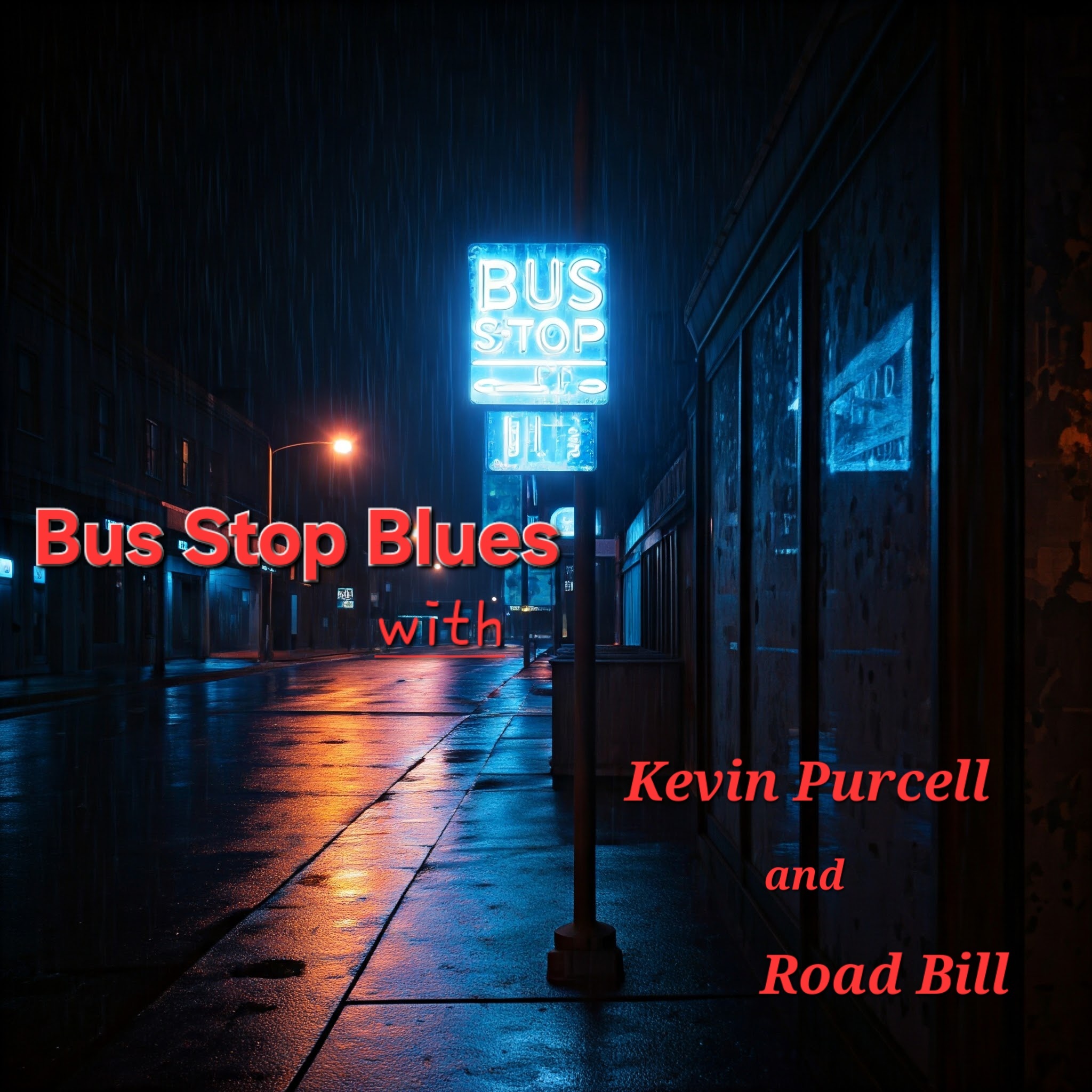
The Bus Stop Blues’s Podcast
thebusstopblues